
The historical evolution of gambling A journey through time and its impact on society World Cup
The Origins of Gambling
The origins of gambling can be traced back thousands of years to ancient civilizations. Archaeological findings suggest that games of chance were played in China as early as 2300 BC, with dice games emerging in the Indus Valley. These early forms of gambling were often linked to religious and cultural practices, showing that it was not merely an entertainment activity but an integral part of society’s belief systems. The notion of luck and fate were deeply intertwined with these early games, setting a foundation for gambling’s future. If you’re interested in the latest insights and analyses, you can visit Worldcupforecast.com for helpful information.
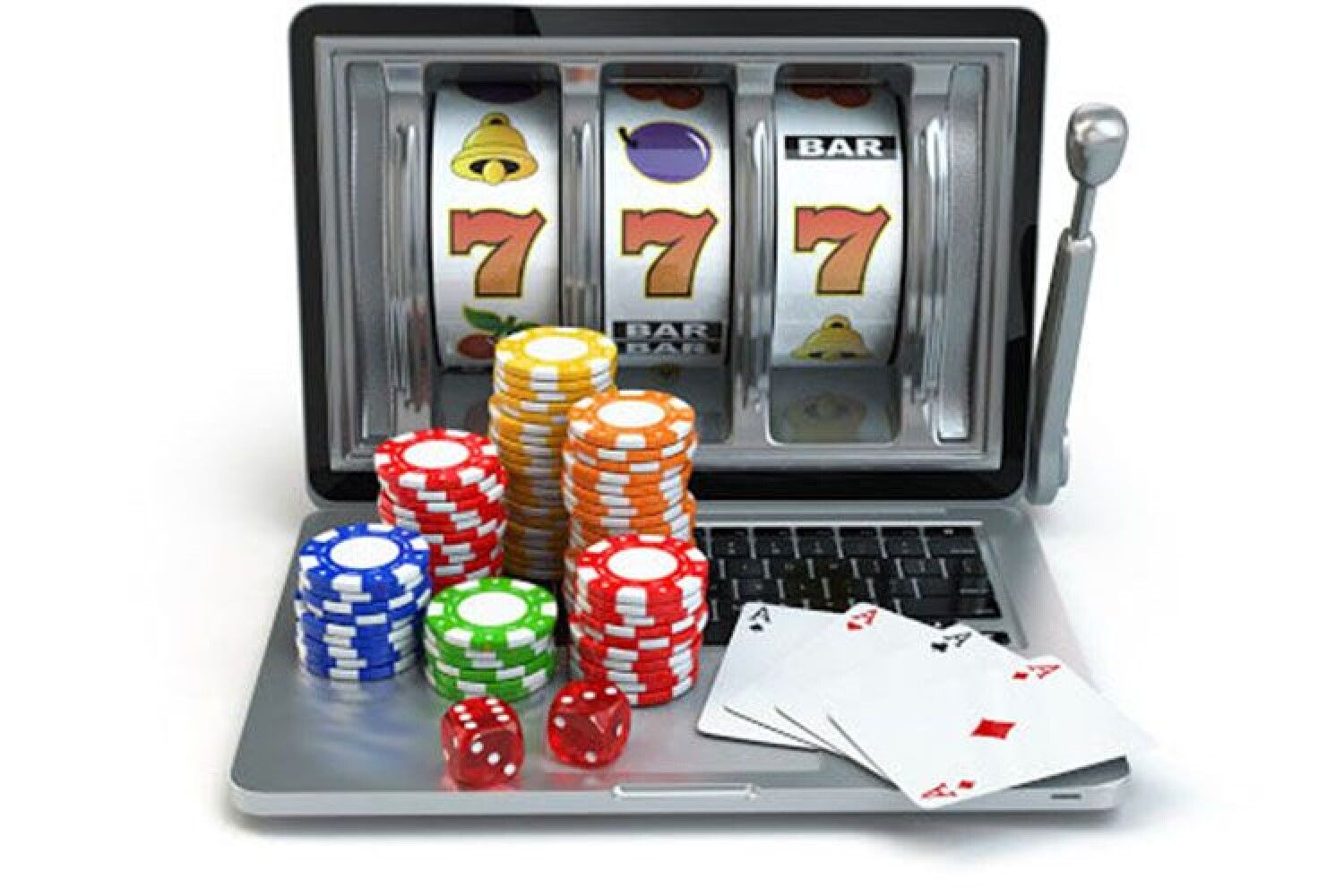
As societies evolved, so did the nature of gambling. In ancient Rome, for example, betting on gladiatorial contests became a popular pastime among citizens, transcending the barriers of social class. The use of dice was prevalent, and laws began to regulate gambling, reflecting its significance and the need for control over gambling practices. This indicates that gambling was recognized not just as entertainment but also as a potential source of social and economic disruption.
The Middle Ages saw gambling becoming intertwined with the feudal system, where nobility and commoners alike participated in various games. The introduction of card games around the 14th century marked a significant shift, leading to the development of modern gambling culture. These card games laid the groundwork for casinos and betting houses, which would later dominate the gambling landscape across Europe and beyond.
The Rise of Modern Gambling
The 17th and 18th centuries saw the establishment of the first official gambling houses in Europe, particularly in France and Italy. These venues not only catered to the wealthy but also attracted a wider audience, reflecting gambling’s growing appeal. The introduction of the roulette wheel in the 18th century revolutionized the gambling experience, creating new opportunities for players to engage with games of chance. The thrill of spinning the wheel brought a sense of excitement that attracted more people into the world of gambling.
With the spread of gambling houses came the need for regulation. In England, the Gaming Act of 1845 was introduced to curb illegal gambling practices, ensuring that games were fair and transparent. This step marked a significant moment in the history of gambling, as it highlighted the balance between enjoyment and responsible governance. As gambling became more institutionalized, it also began to influence societal norms, further embedding it into the cultural fabric.
The 20th century witnessed a transformation in gambling with the advent of the internet. Online casinos and sports betting platforms emerged, making gambling more accessible than ever before. This technological shift attracted a new generation of gamblers, changing the landscape significantly. Online gambling also introduced challenges, such as addiction and fraud, leading to discussions about the ethics and regulation of gambling in the digital age.
The Societal Impact of Gambling
Gambling’s evolution has had profound societal impacts, both positive and negative. On one hand, it provides entertainment, generates revenue, and creates jobs within local economies. Casinos and betting establishments often contribute significantly to tourism, with many cities relying on gambling as a cornerstone of their economic strategies. This dynamic demonstrates how gambling can be a catalyst for economic growth and community development.
Conversely, gambling also presents serious challenges, particularly regarding addiction and its associated social problems. The psychological aspects of gambling can lead to compulsive behavior, impacting families and communities. Governments have recognized the need to address these issues through awareness campaigns and support systems. This duality underscores the importance of balanced regulation that promotes enjoyment while safeguarding individuals from potential harm.
The Future of Gambling in Major Events
As gambling continues to evolve, its relationship with major events, such as the FIFA World Cup, has become increasingly significant. The World Cup not only captures global attention but also garners substantial betting activity. Predictions and analyses surrounding match outcomes have created a vibrant ecosystem where fans engage in discussions about potential winners and outcomes, further fueling interest in the tournament. To get the latest World Cup 2026 predictions, be sure to seek expert insights to enhance your betting strategies.
The upcoming FIFA World Cup in 2026, set to be hosted by the United States, Canada, and Mexico, marks a historic milestone. The introduction of 48 teams and an expanded format will undoubtedly create more opportunities for betting and predictions. For enthusiasts and casual fans alike, engaging with expert insights and statistics will become essential in navigating the complex world of sports betting.
As the world continues to embrace the digital age, the integration of technology and gambling will only deepen. With live betting and enhanced analytical tools, fans will have unprecedented access to data that can influence their betting decisions. This evolution highlights the need for platforms that provide comprehensive information, ensuring that participants are informed and engaged in responsible gambling practices during major events like the World Cup.

Exploring the World of Online Gambling
In today’s fast-paced world, online gambling has emerged as a prominent player, particularly during major events such as the World Cup. The accessibility offered by digital platforms allows fans to place bets easily from anywhere, creating a dynamic landscape that demands comprehensive analysis and predictions. With an array of options available, from traditional sports betting to live casino games, online gambling has expanded the horizon for both casual and serious gamblers.
As the anticipation for the FIFA World Cup builds, platforms dedicated to providing insights and predictions will be crucial for bettors looking to make informed decisions. The advent of online gambling has also paved the way for more sophisticated analytical tools and resources. Websites offering expert predictions and detailed analyses play a critical role in enhancing the betting experience, allowing users to leverage data for improved outcomes.
Understanding the complexities of online gambling is essential for both new and seasoned bettors. With a plethora of options and strategies available, having a reliable resource for expert advice becomes vital. As the World Cup approaches, fans will increasingly turn to platforms that can guide them through the labyrinth of predictions and insights, emphasizing the importance of informed betting.
